Dec 3, 2025
Step by Step Self-Awareness Guide for Personal Growth
Discover the step by step self-awareness guide designed to boost emotional intelligence, unlock self-discovery, and transform your relationships with actionable steps.

Step by Step Self-Awareness Guide for Personal Growth
Over half of american adults say they wish they understood themselves better, yet many feel unsure where to begin. Cultivating self-awareness is more than a self-help buzzword. It lays the foundation for healthier relationships, smarter choices, and stronger mental well-being. This practical guide walks you through a series of research-backed steps, offering strategies to help you turn reflection into real, lasting personal growth.
Table of Contents
Step 1: Set Intentions For Self-Awareness
Step 2: Track Emotions In Daily Life
Step 3: Reflect On Relationship Patterns
Step 4: Identify Personal Strengths And Triggers
Step 5: Apply Insights To Everyday Choices
Step 6: Measure Progress And Adjust Actions
Quick Summary
Main Insight | Explanation |
|---|---|
1. Set actionable intentions | Clearly define intentions with specific, positive language to align daily actions with core values. |
2. Keep an emotion journal | Track daily emotions in a journal to identify triggers and patterns, enhancing self-awareness over time. |
3. Reflect on relationship patterns | Analyze interactions to recognize emotional responses and improve communication in personal relationships. |
4. Identify strengths and triggers | Document strengths and emotional triggers to understand your psychological landscape and manage responses effectively. |
5. Measure progress regularly | Create a system to evaluate emotional and behavioral growth, allowing for adjustments in personal development strategies. |
Step 1: Set Intentions for Self-Awareness
Setting intentions is your foundational strategy for cultivating deeper self-awareness and personal growth. This powerful process helps you align your daily actions with your core values, transforming abstract goals into concrete behavioral changes.
According to Cleveland Clinic, intention setting begins by clarifying what truly matters to you. Start by reflecting on your core values and desired personal outcomes. Ask yourself probing questions: What emotional states do I want to experience more frequently? What personal qualities do I want to develop? Write these intentions down in clear, positive language that resonates with your authentic self.
The Bearmore approach recommends making your intentions specific and actionable. Instead of vague statements like “I want to be happier,” craft precise intentions such as “I will practice active listening in my relationships” or “I commit to acknowledging my emotions without judgment.” This specificity transforms intentions from passive wishes into active commitments.
One critical warning: intentions are not rigid goals but flexible guideposts. They should inspire and motivate you, not create additional stress. Allow yourself grace and adaptability as you practice. Your next step involves translating these intentions into daily practices that reinforce your self-awareness journey.
Step 2: Track Emotions in Daily Life
Tracking emotions helps you develop profound self awareness and understand your inner emotional landscape. This crucial step transforms vague feelings into tangible insights about your psychological patterns and triggers.
Research from PubMed highlights the effectiveness of ambulatory monitoring for assessing emotional experiences throughout the day. Start by creating a simple daily emotion journal where you regularly record your feelings. Note the emotion you are experiencing, its intensity, and the context that triggered it. Pay attention to physical sensations accompanying each emotional state such as tension in your shoulders, rapid heartbeat, or a sense of lightness.
Arxiv research suggests using technological tools can enhance emotional tracking. Consider using smartphone apps or wearable devices that can help you log emotional states quickly and discreetly. When tracking, focus on describing your emotions precisely rather than using generic terms. Instead of writing “I feel bad,” specify whether you feel anxious, frustrated, disappointed, or overwhelmed.
A critical warning emerges during this process: avoid judging your emotions. Simply observe and record them as objective data points. Your goal is understanding, not self criticism. This approach transforms emotional tracking from a potential source of stress into a powerful tool for personal growth.

The next step involves analyzing these emotional patterns to gain deeper self insights.
Step 3: Reflect on Relationship Patterns
Reflecting on relationship patterns is a transformative process that helps you understand your interpersonal dynamics, emotional triggers, and recurring communication styles. This crucial step allows you to break free from unconscious behavioral cycles and develop more meaningful connections.
PubMed research on emotional monitoring suggests creating a comprehensive relationship journal to systematically analyze your interactions. Start by documenting key relationship experiences across different contexts family, romantic partnerships, professional networks, and friendships. For each interaction, record not just what happened, but how you felt, your emotional reactions, and any recurring themes you notice.
Arxiv research highlights the importance of using technological tools to enhance pattern recognition. Consider using digital tracking methods that can help you identify subtle emotional shifts during different interactions. Look for consistent patterns such as how you respond to conflict, your communication style under stress, or recurring emotional responses in specific relationship dynamics.
A critical warning emerges during this reflection process: avoid self judgment. Your goal is objective observation and understanding, not harsh criticism. Approach these patterns with curiosity and compassion. Recognize that identifying these patterns is the first step toward meaningful personal growth and healthier relationships. The next phase involves developing strategies to interrupt unproductive patterns and cultivate more authentic connections.
Step 4: Identify Personal Strengths and Triggers
Identifying personal strengths and emotional triggers is a crucial step in developing profound self awareness. This process helps you understand your psychological landscape, recognize your unique capabilities, and navigate emotional challenges more effectively.
Arxiv research introduces innovative approaches to emotional recognition, including analyzing subtle patterns like handwriting to uncover deep insights about your personal characteristics. Begin by creating a comprehensive self assessment tool. List your recent achievements, moments of pride, and instances where you felt most confident. Simultaneously, document situations that provoke strong emotional reactions or feelings of discomfort. Look for patterns in these experiences that reveal your core strengths and potential triggers.
Arxiv research on emotion recognition suggests using technology to enhance self understanding. Consider using wearable devices or smartphone applications that track facial responses and emotional shifts. These tools can provide objective data about your emotional reactions in real time. Pay attention to physical sensations that accompany different emotional states stress in your shoulders, a tightening in your chest, or a surge of energy when feeling motivated.
A critical warning emerges during this identification process: avoid labeling your triggers as weaknesses. Instead, view them as valuable information about your emotional landscape. Understanding your triggers is not about eliminating them but developing strategies to manage them effectively. Your emotional responses are data points that offer profound insights into your inner world. The next step involves transforming these insights into actionable personal growth strategies.
Step 5: Apply Insights to Everyday Choices
Transforming self awareness into practical decision making is the cornerstone of genuine personal growth. This step bridges the gap between introspection and actionable change, enabling you to make more intentional choices aligned with your authentic self.
PubMed research on emotion monitoring emphasizes developing a systematic approach to applying emotional insights. Create a personal decision framework where you pause and assess your emotional state before making significant choices. Ask yourself key questions such as: Am I responding from a place of emotional reactivity or thoughtful consideration? What underlying emotions are influencing my current perspective?
Arxiv research suggests utilizing technological tools to track emotional patterns and support decision making. Consider developing a personal decision log where you record your choices, emotional states, and subsequent outcomes. This approach allows you to identify recurring patterns and make more informed decisions over time. Look for consistent themes in how your emotional landscape influences your choices across different life domains work relationships personal goals and self care.
A critical warning emerges during this process: avoid analysis paralysis. While understanding your emotional insights is crucial, the goal is action not endless introspection. Treat your emotional data as a supportive guide rather than a restrictive rulebook. Your insights are meant to illuminate potential paths not create additional stress. The next phase involves continuously refining your decision making approach through compassionate self observation.
Step 6: Measure Progress and Adjust Actions
Tracking personal growth is an essential component of sustained self awareness and meaningful transformation. This step empowers you to transform insights into tangible progress by systematically evaluating your emotional and behavioral development.
Arxiv research on affective life-logging suggests creating a comprehensive monitoring system that captures both quantitative and qualitative aspects of your personal growth journey. Develop a multidimensional progress tracker that includes emotional resilience metrics behavioral pattern changes and personal goal achievements. Schedule monthly self review sessions where you objectively assess your growth across different life domains relationships professional development personal habits and emotional intelligence.
Arxiv research on emotion recognition highlights the importance of using technological tools to provide objective insights into your progress. Consider utilizing wearable devices or smartphone applications that can help you track emotional responses and behavioral shifts. These tools offer data driven perspectives that complement your subjective self assessment. Look for subtle changes in your stress responses communication patterns and emotional regulation that indicate meaningful personal growth.
A critical warning emerges during this measurement process: avoid comparing your progress to others or holding unrealistic expectations. Growth is a deeply personal journey with unique trajectories for each individual. Approach your progress evaluation with compassion curiosity and a commitment to continuous learning. Recognize that setbacks are not failures but valuable opportunities for deeper understanding.
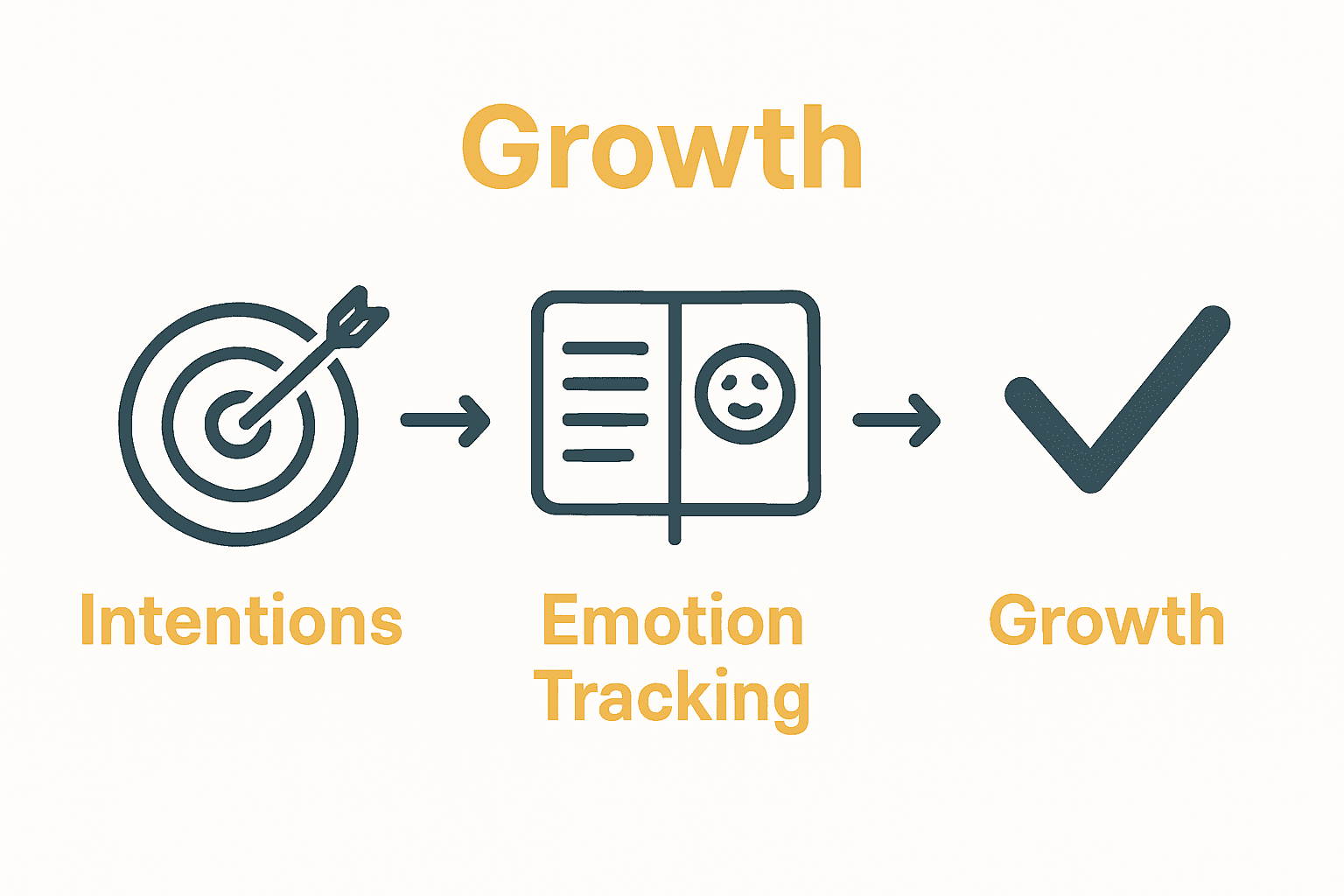
The final phase involves integrating your insights into a sustainable personal development strategy.
Unlock Your Self-Awareness Journey with AI-Powered Guidance
The article highlights the challenges of maintaining consistent emotional tracking, avoiding self-judgment, and transforming self-awareness into real-world decisions. You may find it difficult to turn intentions into daily habits or analyze relationship patterns without bias. If your goal is to move beyond simply reflecting on emotions to actively growing smarter in love, work, and friendships, there is a solution designed just for you.

Experience how the Wisdom App, the world’s first AI emotional coach on WhatsApp, can act as your compassionate guide throughout every step of your personal growth. With live emotion detection, relationship superintelligence, and context-aware advice, Wisdom helps you track emotions and apply insights directly in your everyday conversations. Start breaking unproductive patterns, gain data-driven insights, and create personalized action plans — all without leaving your chats. Begin your transformative journey today by signing in at Wisdom App and discover how an AI life coach app can turn self-awareness into lasting growth.
Frequently Asked Questions
How can I set effective intentions for self-awareness?
Setting effective intentions involves reflecting on your core values and desired outcomes. Start by asking yourself what emotional states you want to experience and which personal qualities you wish to develop. Write down these intentions in clear, positive language to create concrete commitments.
What are the best methods for tracking my emotions daily?
To track your emotions effectively, create a daily emotion journal where you note your feelings, their intensity, and the triggers behind them. This practice helps transform vague feelings into actionable insights about your emotional landscape.
How should I reflect on my relationship patterns?
Reflecting on relationship patterns involves documenting your key interactions in a relationship journal. For each experience, note how you felt, your emotional reactions, and any recurring themes you observe in your interactions with family, friends, and colleagues.
What steps should I take to identify my personal strengths and triggers?
To identify your personal strengths and triggers, create a self-assessment tool listing recent achievements and moments of pride alongside situations that provoke strong emotional reactions. Look for patterns in these experiences to better understand your emotional landscape and capabilities.
How can I apply my self-awareness insights to everyday decisions?
To apply your self-awareness insights, develop a personal decision framework that encourages you to assess your emotional state before making choices. Pause and ask questions like whether you are reacting emotionally or thoughtfully, guiding you towards more intentional decision-making.
How do I measure my progress in personal growth?
Measuring progress involves creating a multidimensional tracker that captures both quantitative and qualitative aspects of your journey. Schedule monthly self-review sessions to assess your emotional resilience, behavioral changes, and achievements, aiming to identify subtle shifts in your personal development over time.
Recommended
7 Steps to a Smarter Personal Growth Checklist for Life - Wisdom
Personal Growth Coaching Steps for Real Transformation - Wisdom
Master the Personal Growth Process for Lasting Change - Wisdom
7 Essential Career Development Activities for Growth|CS