Jan 7, 2026
Emotional Dynamics Detection: Smarter Relationships with AI
AI emotional coach for WhatsApp uses live emotional dynamics detection, relationship analysis, and strategic guidance to enhance self-awareness and communication.

Emotional Dynamics Detection: Smarter Relationships with AI
Most American Millennials and Gen Z rely on digital platforms for self-discovery, yet nearly 60 percent feel misunderstood by traditional emotion analysis tools. Understanding emotional dynamics is more than just tracking mood swings. It is about uncovering the rich, real-time patterns shaping every relationship and personal decision. This article reveals how advanced AI can decode your emotional landscape, offer privacy-first insights, and empower stronger, smarter connections.
Table of Contents
Defining Emotional Dynamics Detection And Misconceptions
Types Of Emotional Detection In AI Coaching
How Emotional Dynamics Are Analyzed On WhatsApp
Personalization And Strategic Intelligence In Relationships
Risks, Privacy, And Common Pitfalls In Emotion Analysis
Key Takeaways
Point | Details |
|---|---|
Understanding Emotional Dynamics | Emotions are complex and fluid, evolving based on cognitive processes and environmental contexts rather than being static states. |
AI in Emotional Detection | Various emotional detection techniques like facial recognition, voice analysis, and sentiment evaluation enhance AI coaching’s ability to provide personalized emotional insights. |
Nuanced Communication on Digital Platforms | Advanced sentiment analysis techniques on platforms like WhatsApp allow for deeper understanding of emotional exchanges through linguistic and contextual fluctuations. |
Ethical Considerations in Emotion Analysis | It’s essential to address privacy risks and algorithmic biases in emotional analysis technologies to promote ethical data management and respect user autonomy. |
Defining Emotional Dynamics Detection and Misconceptions
Emotional dynamics detection represents a sophisticated approach to understanding human emotions as complex, fluid experiences rather than static states. At its core, this emerging field explores how emotions evolve and interact with cognitive processes and environmental contexts.
Traditional perspectives often misunderstood emotions as fixed traits. However, modern research reveals emotions are intricate, time-varying phenomena that continuously shift based on multiple internal and external factors. Emotional dynamics capture these nuanced fluctuations, examining how feelings transform across different timescales and individual experiences. Sophisticated analytic tools now enable researchers to quantitatively track these intricate emotional patterns, moving beyond simplistic emotional categorizations.
The detection process involves sophisticated measurement techniques that unobtrusively capture emotional shifts. These methods utilize advanced technologies to analyze emotional variability, tracking subtle changes in intensity, duration, and contextual responses. By understanding these dynamics, we gain deeper insights into human psychological experiences, recognizing emotions as adaptive, responsive systems rather than rigid, unchanging states.
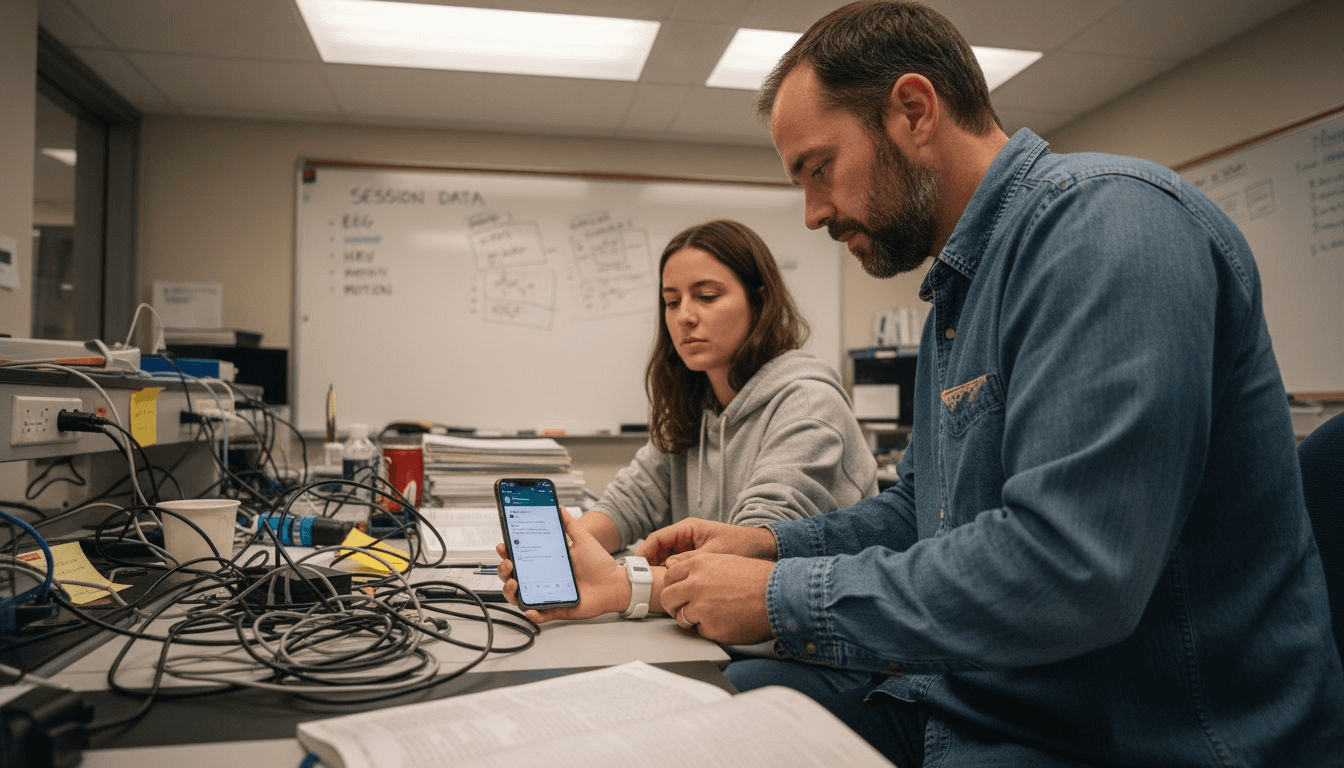
Pro Tip: Pay attention to your emotional patterns by journaling your feelings and tracking their contextual triggers, helping you develop greater self-awareness and emotional intelligence.
Types of Emotional Detection in AI Coaching
AI emotional coaching leverages multiple sophisticated detection techniques to understand and respond to human emotional states. Multimodal emotion recognition technologies enable comprehensive emotional analysis through diverse input channels, creating a nuanced approach to understanding psychological experiences.
The primary types of emotional detection in AI coaching include:
Facial Expression Recognition: Advanced computer vision algorithms analyze micro-expressions, tracking subtle changes in facial muscle movements to interpret emotional states
Voice Tone Analysis: Machine learning models examine speech patterns, pitch variations, and vocal characteristics to detect underlying emotional content
Physiological Sensor Tracking: Wearable technologies measure heart rate, skin conductance, and other bodily signals that indicate emotional arousal and stress levels
Textual Sentiment Analysis: Natural language processing techniques evaluate written communication to understand emotional undertones and psychological states
These detection methods work synergistically, creating a holistic emotional profile that allows AI coaching systems to provide personalized, adaptive support. By integrating multiple detection strategies, AI can offer more accurate and nuanced emotional insights compared to traditional single-mode assessment techniques.
Pro Tip: Experiment with different emotional tracking methods to develop a more comprehensive understanding of your own emotional landscape and triggers.
Here’s a comparison of key emotional detection methods used in AI coaching and their unique strengths:
Detection Method | Main Advantage | Typical Limitation |
|---|---|---|
Facial Expression Analysis | Captures subtle visual cues | Challenged by occlusions/culture |
Voice Tone Recognition | Detects emotion in intonation | Noise can reduce accuracy |
Physiological Monitoring | Offers real-time physical data | Requires additional hardware |
Text Sentiment Evaluation | Works with written interaction | Misses nonverbal signals |
How Emotional Dynamics Are Analyzed on WhatsApp
WhatsApp has become a remarkable platform for understanding emotional communication through advanced AI-powered sentiment analysis techniques. By leveraging sophisticated natural language processing algorithms, these systems decode the complex emotional landscape embedded within digital conversations.
The emotional analysis process on WhatsApp involves multiple sophisticated strategies:
Sentiment Classification: Algorithms evaluate the emotional tone of messages, categorizing them as positive, negative, or neutral
Linguistic Pattern Recognition: Advanced models track emotional shifts by analyzing word choice, sentence structure, and communication patterns
Context-Based Interpretation: Machine learning systems consider conversation context, message frequency, and interaction dynamics
Emotional Intensity Measurement: Techniques assess the emotional arousal level within messages, detecting subtle variations in expression
These nuanced approaches enable AI systems to create comprehensive emotional profiles that go beyond surface-level text analysis. By integrating multiple detection methods, WhatsApp emotional analysis provides deep insights into interpersonal communication dynamics, revealing underlying emotional states and relationship patterns that might remain invisible through traditional communication methods.
Pro Tip: Practice emotional self-awareness by periodically reviewing your communication patterns and emotional expressions in digital conversations.
Personalization and Strategic Intelligence in Relationships
Personalization represents the cutting edge of relationship management, transforming how individuals understand and interact with their emotional connections through AI-driven communication strategies. By leveraging advanced algorithms and contextual intelligence, modern relationship tools can now decode complex interpersonal dynamics with unprecedented precision.
The core components of personalized strategic intelligence in relationships include:
Behavioral Pattern Recognition: Identifying unique communication styles and emotional triggers
Contextual Adaptation: Dynamically adjusting interaction strategies based on real-time emotional signals
Predictive Emotional Mapping: Anticipating potential communication challenges and relationship trajectories
Individualized Insight Generation: Creating tailored recommendations that align with specific relationship dynamics
Strategic intelligence goes beyond simple data analysis, offering a sophisticated approach to understanding relationship mechanics. These advanced systems can detect nuanced emotional patterns, providing insights that help individuals navigate complex interpersonal landscapes more effectively. By combining psychological understanding with technological precision, personalized relationship tools create a new paradigm of emotional awareness and strategic communication.
Pro Tip: Approach your relationships with curiosity and openness, using technological insights as a guide rather than an absolute rule.
Risks, Privacy, and Common Pitfalls in Emotion Analysis
Emotion analysis technologies introduce complex challenges that extend far beyond simple technological implementation, particularly concerning privacy risks and ethical considerations. The sensitive nature of emotional data demands rigorous protection mechanisms to prevent potential misuse and unauthorized exploitation.
Key risks in emotion analysis include:
Data Privacy Vulnerabilities: Potential unauthorized sharing of intimate emotional information
Algorithmic Bias: Systemic misinterpretation of emotional signals across diverse populations
Consent Complexity: Challenges in obtaining meaningful consent for emotional data collection
Cultural Misrepresentation: Risk of oversimplifying emotional experiences through technological interpretation
Professional emotion analysis requires a multifaceted approach that prioritizes user autonomy, transparency, and ethical data management. Advanced systems must incorporate adaptive consent mechanisms, robust anonymization techniques, and comprehensive user controls to mitigate potential psychological and privacy risks. Understanding these challenges is crucial for developing responsible emotional intelligence technologies that respect individual emotional boundaries and promote genuine human connection.
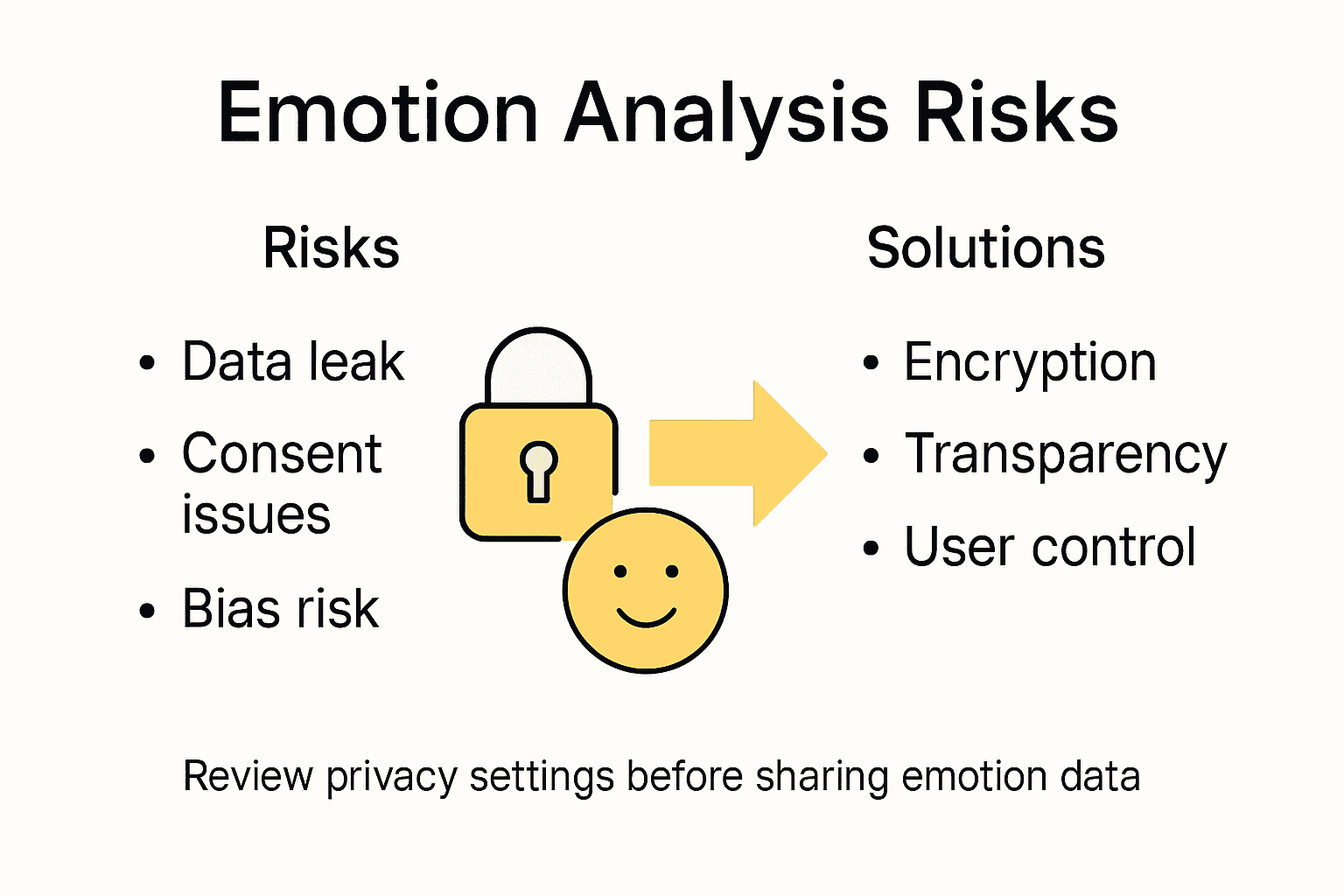
Pro Tip: Always review privacy settings and understand exactly how your emotional data will be used before engaging with any AI emotional analysis platform.
The following table summarizes the main privacy risks and corresponding mitigation strategies in emotion analysis technology:
Privacy Risk | Potential Impact | Mitigation Strategy |
|---|---|---|
Data Sharing | Exposure of private data | Strong encryption, data minimization |
Algorithmic Bias | Unfair treatment | Diverse training datasets |
Consent Ambiguity | Unaware data collection | Transparent, granular controls |
Cultural Oversimplification | Inaccurate analysis | Context-aware, flexible models |
Unlock Deeper Emotional Awareness with AI-Powered Relationship Coaching
Understanding emotional dynamics is crucial for navigating today’s complex relationships. If you find it challenging to recognize evolving feelings or interpret the subtle emotional cues in your WhatsApp conversations, you are not alone. The article highlights key difficulties such as detecting real-time emotional shifts, contextualizing communication patterns, and managing privacy concerns—all vital for smarter relationship management.
Fortunately, the Wisdom App offers the ultimate solution by serving as your personal AI emotional coach embedded directly within WhatsApp. Combining live emotion detection, context-aware guidance, and relationship superintelligence, Wisdom helps you see beyond surface conversations. This means gaining actionable insights into your emotional patterns, predicting interaction outcomes, and receiving tailored advice that respects your privacy and unique relationships.
Elevate your emotional intelligence and transform your connections today. Experience how the world’s first AI relationship coach can guide you through complex emotional landscapes with strategic precision and compassionate understanding.
Ready to grow smarter in love, work, family, and friendships without leaving your chat? Discover how Wisdom’s AI life coach app transforms simple messages into deep emotional insights. Start your journey now by signing up for Wisdom App and master the art of emotional dynamics detection with advanced AI support.
Frequently Asked Questions
What is emotional dynamics detection?
Emotional dynamics detection refers to an advanced approach that understands emotions as complex, time-varying experiences influenced by various internal and external factors.
How does AI emotional coaching work?
AI emotional coaching utilizes multiple detection techniques, such as facial expression recognition, voice tone analysis, physiological monitoring, and textual sentiment analysis, to create personalized emotional insights and responses.
What are the key methods used in AI coaching for emotional detection?
The primary methods include facial expression analysis, voice tone recognition, physiological sensor tracking, and textual sentiment evaluation, each providing unique insights into emotional states.
What privacy risks are associated with emotion analysis technologies?
Key privacy risks include data privacy vulnerabilities, algorithmic bias, consent complexity, and cultural misrepresentation, all of which necessitate strong protective measures and ethical data management strategies.
Recommended